
Tissue Repair & Recovery
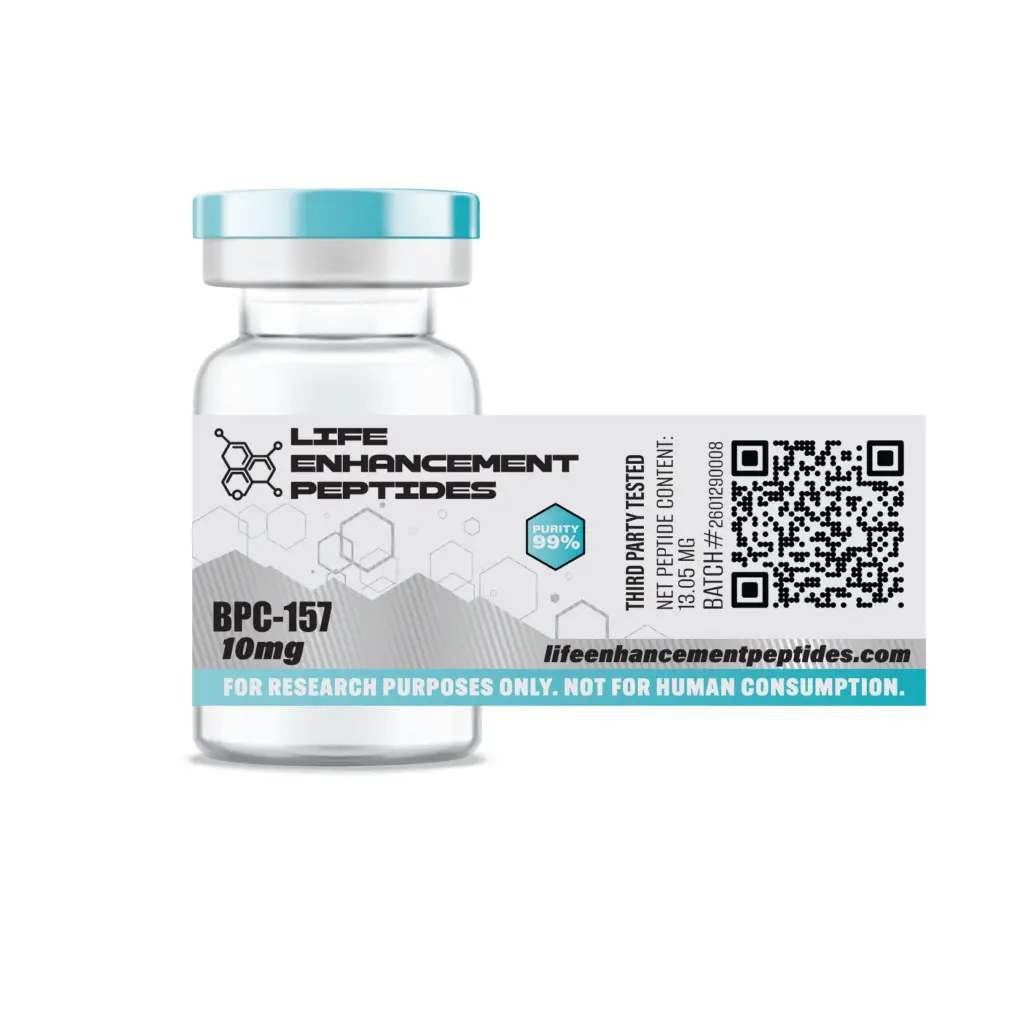
BPC-157 — 10mg
Wolverine Stack$54
A 15-amino acid pentadecapeptide derived from human gastric juice, studied for its remarkable capacity to accelerate healing across musculoskeletal, gastrointestinal, and neural tissues.
 Tissue Repair & Recovery
Overview
BPC-157 (Body Protection Compound 157) is a synthetic 15-amino acid peptide fragment originally isolated from human gastric juice. Unlike growth factors that act on single receptor families, BPC-157 operates through a multi-pathway convergence that makes it uniquely effective across tissue types. Its cytoprotective effects were first characterized in the GI tract, but subsequent research has extended these findings to tendons, ligaments, bone, muscle, and even neural tissue.
At the molecular level, BPC-157 activates VEGFR2 signaling to drive new vessel formation at wound sites, mobilizes FAK-paxillin complexes that govern cell adhesion and directional migration, and upregulates growth hormone receptor expression in fibroblasts — dramatically amplifying the healing cascade. This receptor upregulation effect is particularly significant: by increasing GH receptor density, the peptide sensitizes local tissue to systemic growth signals without altering circulating hormone levels.
Research in rodent models has demonstrated consistent improvements in tendon-to-bone repair, ligament reattachment speed, and fracture healing timelines. A 2025 pilot human IV study at 10–20mg reported a favorable safety profile with no serious adverse events. BPC-157 is currently classified as an FDA Category 2 bulk drug substance, reflecting both its research interest and its regulatory status as a compound under active scientific scrutiny.
Mechanism of Action
Activates VEGFR2 for angiogenesis; mobilizes FAK-paxillin complexes for directed cell migration; upregulates GH receptor expression in fibroblasts to amplify downstream healing signals.
Research Applications
Areas of peer-reviewed scientific inquiry where this compound has appeared.
- Musculoskeletal injury and repair
- Gastrointestinal mucosal healing
- Neuroprotection and neural recovery
- Wound healing and tissue regeneration
- Anti-inflammatory modulation
Key Findings from the Literature
- 01Consistent tendon, ligament, and bone repair improvements in animal models
- 022025 pilot human IV study demonstrated safety at 10–20mg doses
- 03FDA Category 2 bulk drug substance — active area of clinical investigation
- 04Upregulates GH receptor density in fibroblasts without altering systemic hormone levels
Certificates of Analysis1
Independent third-party lab reports for this peptide. Each CoA can be verified against its accession number at the testing lab.
1 independent test by Freedom Diagnostics Testing
| Test | Result |
|---|---|
| Purity (HPLC) | 99.844% |
| Identity (MS) | Pass |
| Endotoxins (LAL) | Pass |
Lab: Freedom Diagnostics Testing
Accession: 2601290008 / 2601290009
Reports are verifiable against the issuing lab using the accession or batch identifier above.
Related Peptides
Other compounds in the tissue repair & recovery category.
 tissue repair
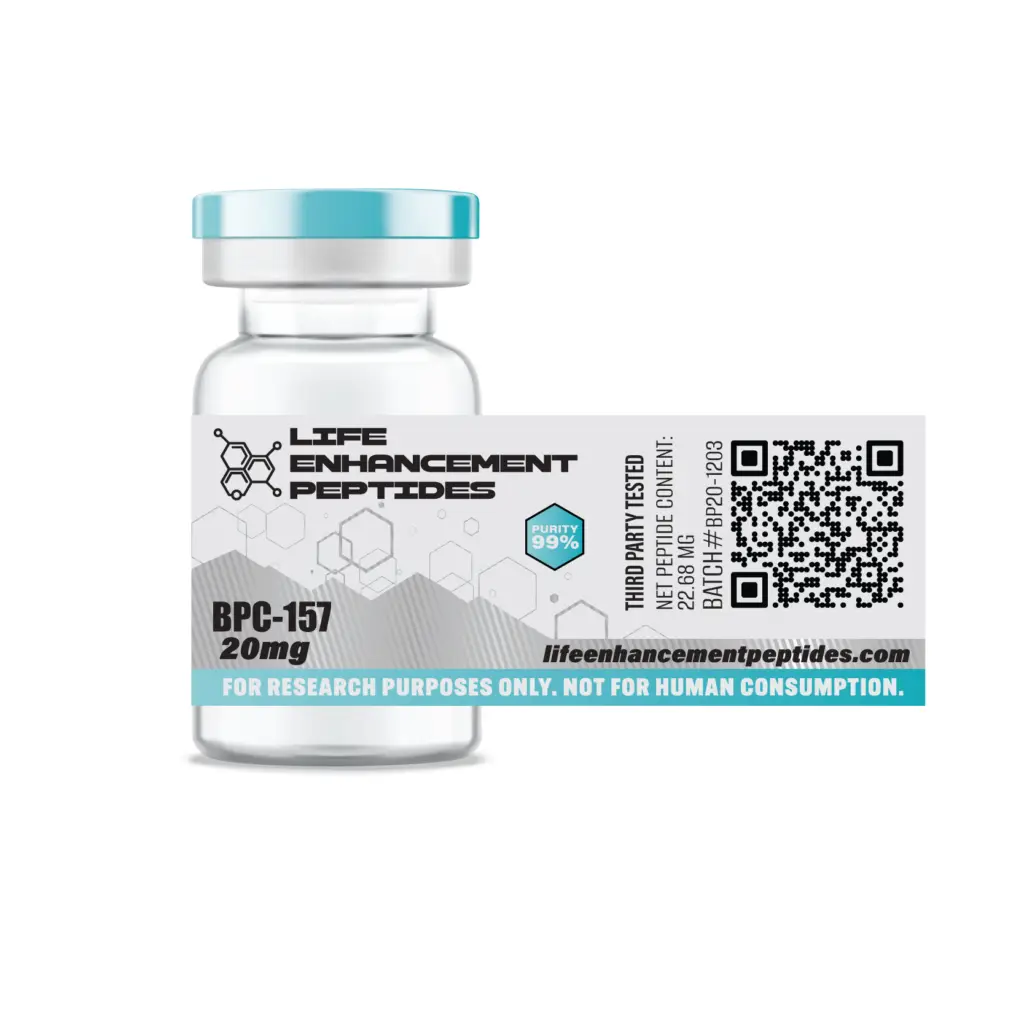
BPC-157
20mg
The higher-dose format of BPC-157 for research protocols requiring extended treatment windows or higher per-administration quantities of this gastric-derived pentadecapeptide.
 tissue repair
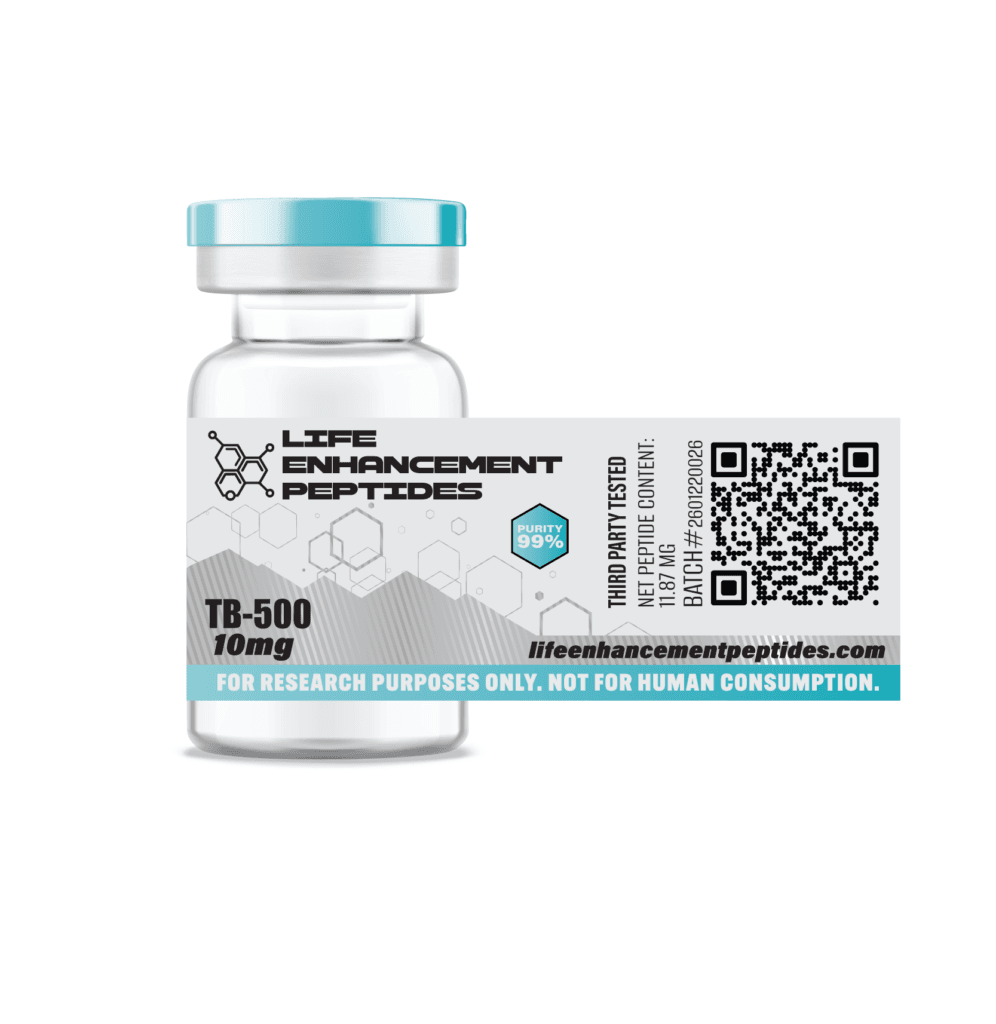
TB-500
10mg
A synthetic fragment of Thymosin Beta-4 corresponding to the actin-binding domain, extensively studied for its role in cardiac angiogenesis, soft tissue healing, and corneal regeneration.
 tissue repair
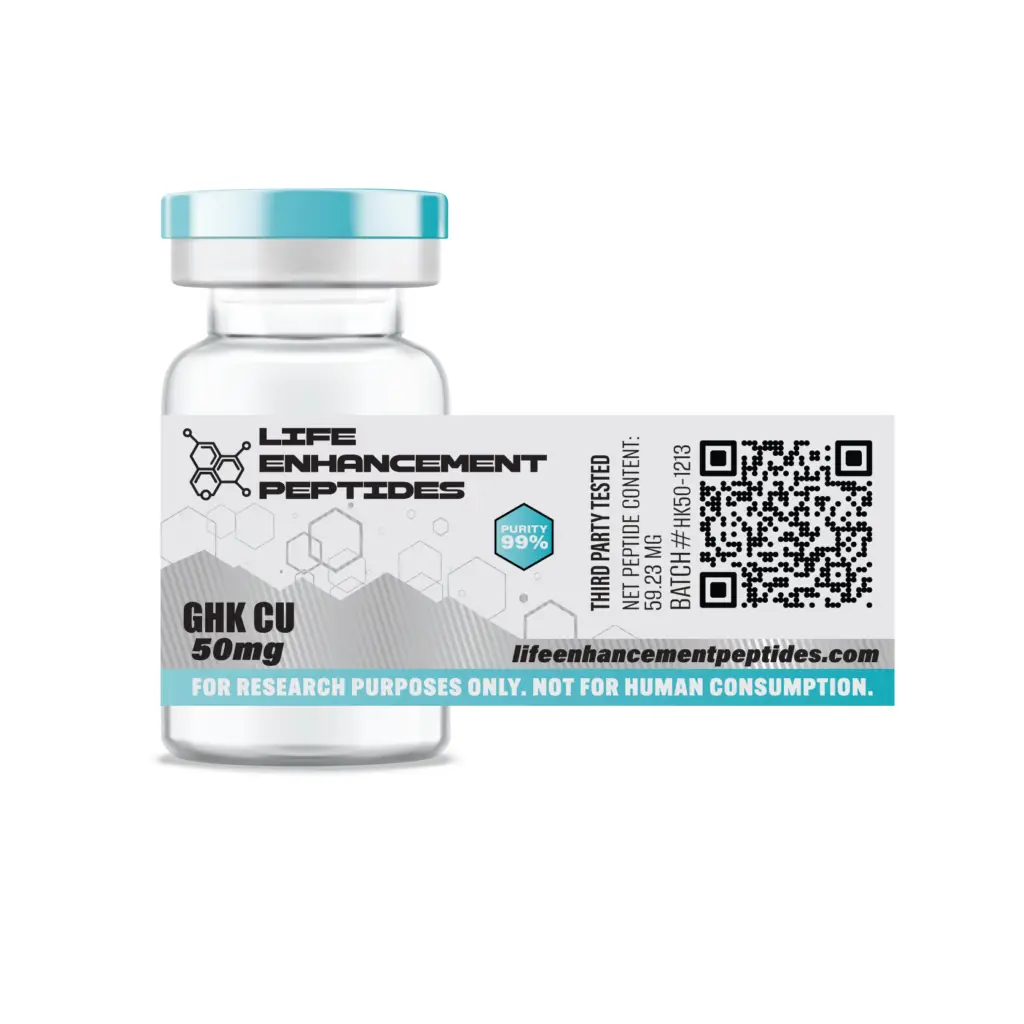
GHK-Cu
50mg
A naturally occurring copper-binding tripeptide found in human plasma, notable for its genomic reach — modulating approximately 4,000 human genes involved in tissue remodeling, growth factor expression, and anti-aging responses.