
Tissue Repair & Recovery
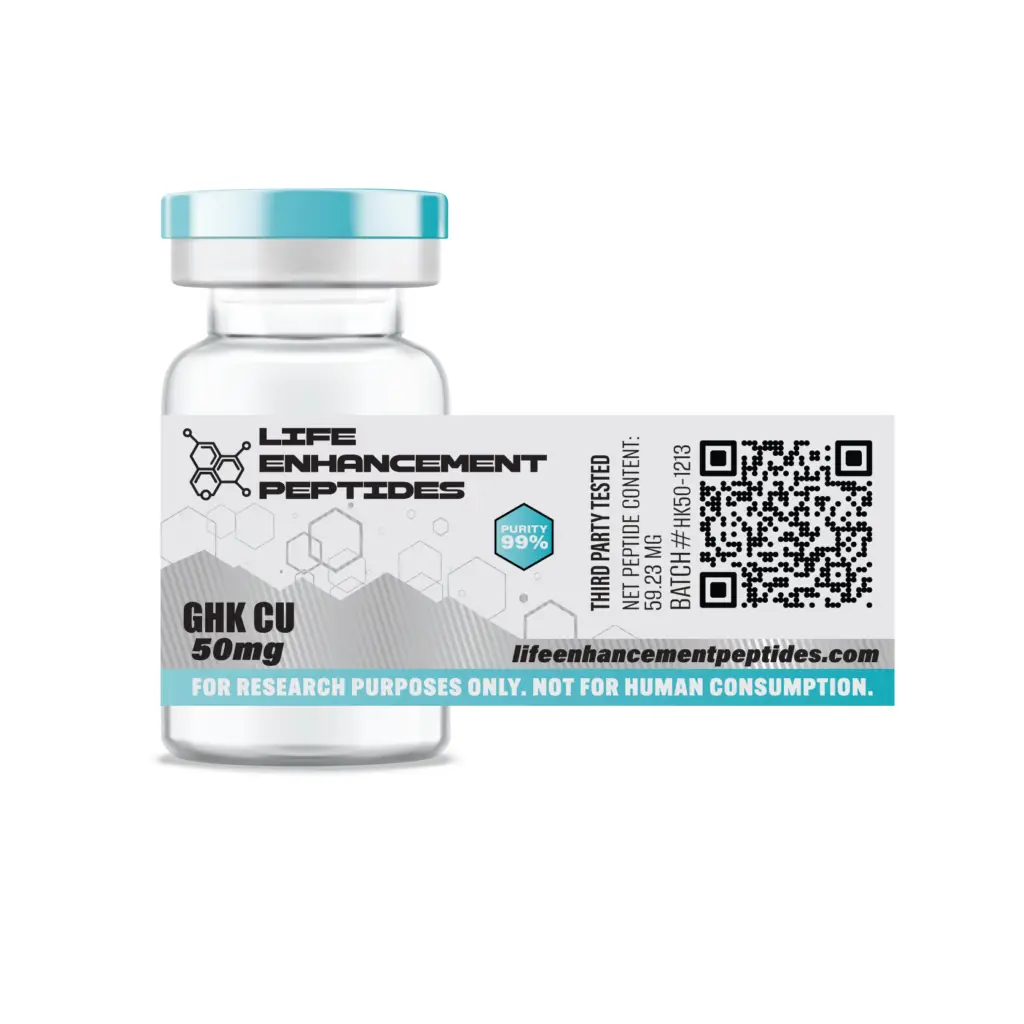
GHK-Cu — 50mg
$33
A naturally occurring copper-binding tripeptide found in human plasma, notable for its genomic reach — modulating approximately 4,000 human genes involved in tissue remodeling, growth factor expression, and anti-aging responses.
 Tissue Repair & Recovery
Overview
GHK-Cu (Glycyl-L-Histidyl-L-Lysine Copper complex) is an endogenous tripeptide that binds copper(II) ions with high affinity and is present in human plasma at concentrations that decline markedly with age — from roughly 200 ng/mL at age 20 to approximately 80 ng/mL by age 60. This age-related decline has generated significant scientific interest in whether exogenous GHK-Cu supplementation can restore aspects of the cellular environment associated with younger tissue.
What distinguishes GHK-Cu from most research peptides is the breadth of its genomic influence. Microarray and RNA-sequencing studies have mapped its regulatory effect across approximately 4,000 human genes, including upregulation of VEGF, BDNF, and BMP-2 — growth factors central to vascular, neural, and bone remodeling respectively. It also stimulates collagen and elastin synthesis through fibroblast activation, and its copper-chelating properties contribute to antioxidant defense by modulating copper-dependent superoxide dismutase activity.
In controlled human dermal studies, 12-week topical application improved measurable collagen density in 70% of subjects. Beyond skin applications, GHK-Cu has demonstrated accelerated wound contraction and epithelialization in both excisional and incisional models. Its neurotrophic properties — particularly BDNF upregulation — have opened parallel lines of investigation in neurodegeneration and cognitive aging research.
Mechanism of Action
Chelates copper(II) to modulate redox signaling; upregulates VEGF, BDNF, and BMP-2 expression; stimulates fibroblast-mediated collagen and elastin synthesis; modulates gene expression across ~4,000 human genes.
Research Applications
Areas of peer-reviewed scientific inquiry where this compound has appeared.
- Wound healing and tissue regeneration
- Skin collagen and elastin remodeling
- Hair follicle regeneration
- Anti-aging and genomic regulation
- Neurotrophic and neuroprotective research
- Bone healing and remodeling
Key Findings from the Literature
- 0112-week human skin study showed improved collagen density in 70% of subjects
- 02Accelerates wound contraction and re-epithelialization in animal models
- 03Regulates expression of ~4,000 human genes including key growth factors
- 04Plasma levels decline from ~200 ng/mL at age 20 to ~80 ng/mL by age 60
Certificates of Analysis2
Independent third-party lab reports for this peptide. Each CoA can be verified against its accession number at the testing lab.
2 independent tests by Freedom Diagnostics Testing
| Test | Result |
|---|---|
| Purity (HPLC) | 99.77% |
| Identity (MS) | Pass |
| Endotoxins (LAL) | Pass |
Lab: Freedom Diagnostics Testing
Accession: 2606090298
Reports are verifiable against the issuing lab using the accession or batch identifier above.
Related Peptides
Other compounds in the tissue repair & recovery category.
 tissue repair
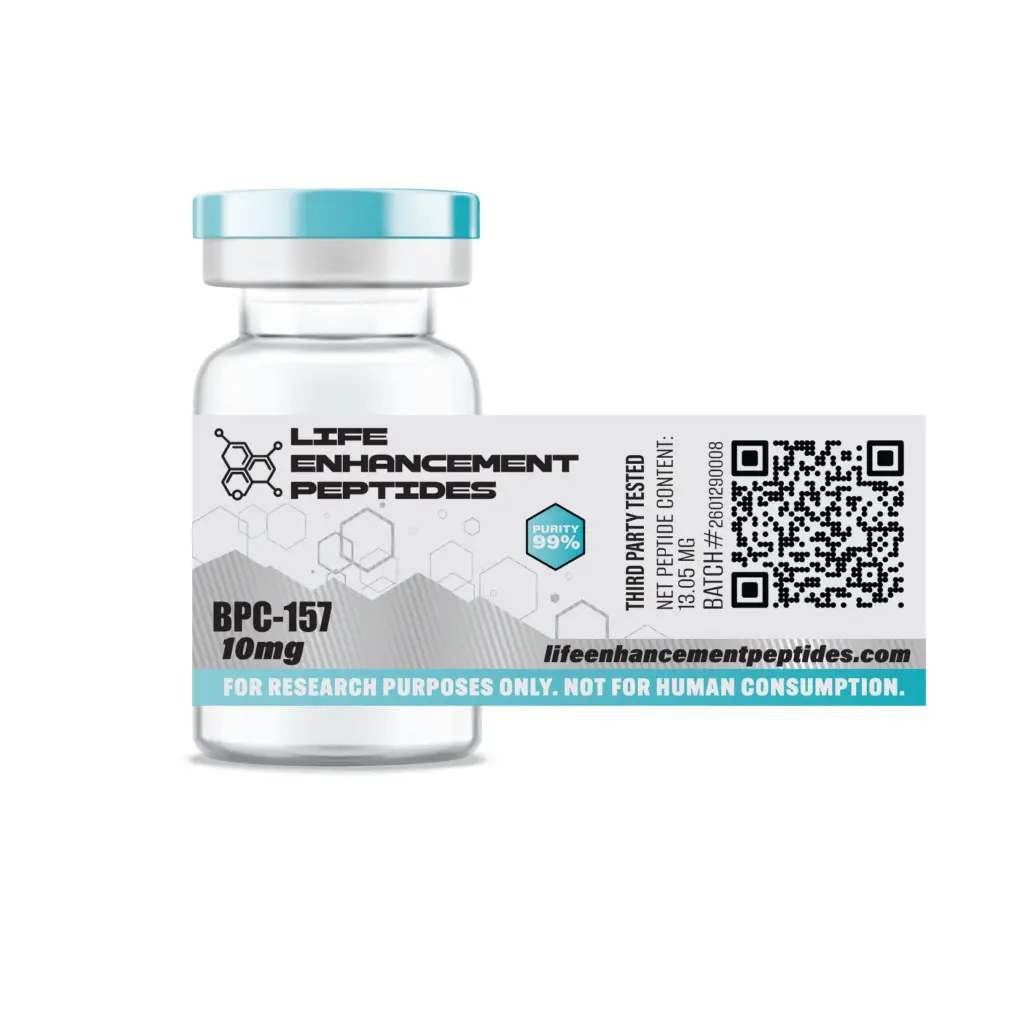
BPC-157
10mg
A 15-amino acid pentadecapeptide derived from human gastric juice, studied for its remarkable capacity to accelerate healing across musculoskeletal, gastrointestinal, and neural tissues.
 tissue repair
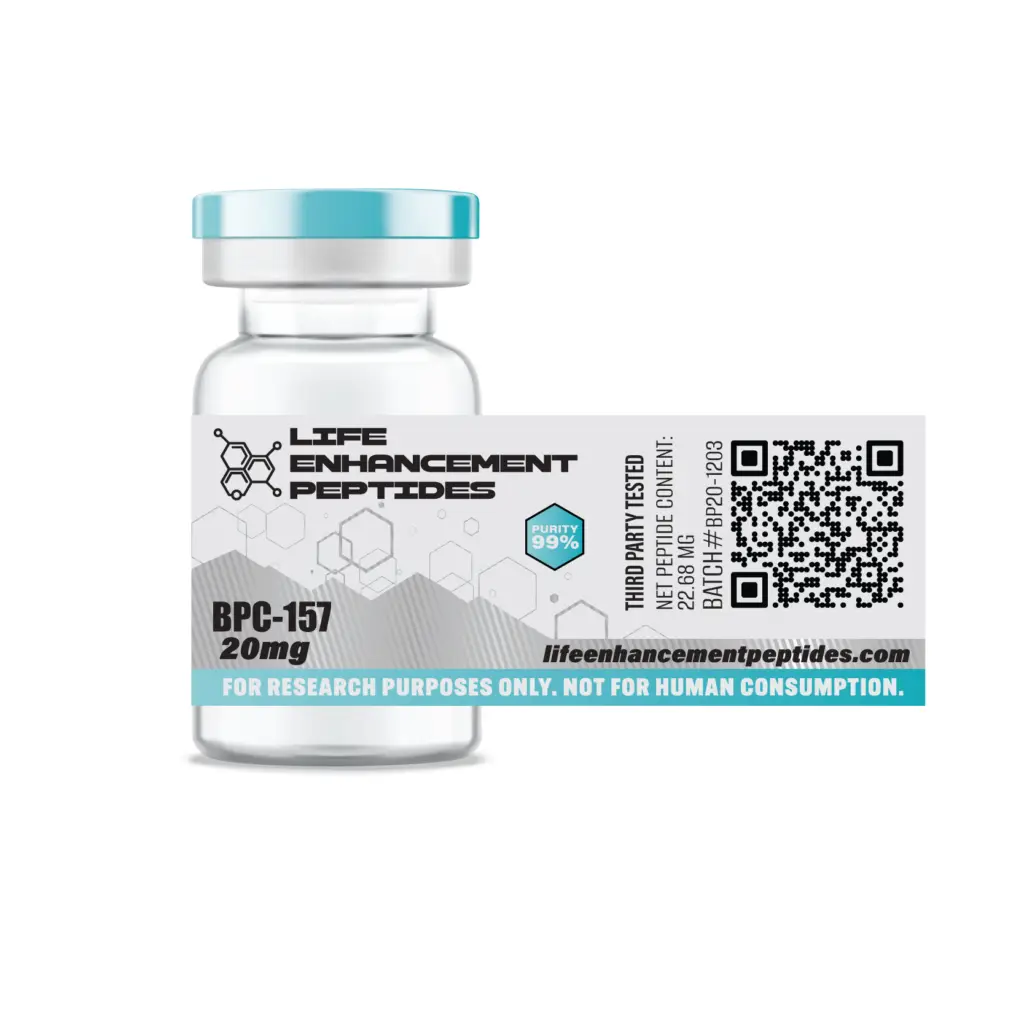
BPC-157
20mg
The higher-dose format of BPC-157 for research protocols requiring extended treatment windows or higher per-administration quantities of this gastric-derived pentadecapeptide.
 tissue repair
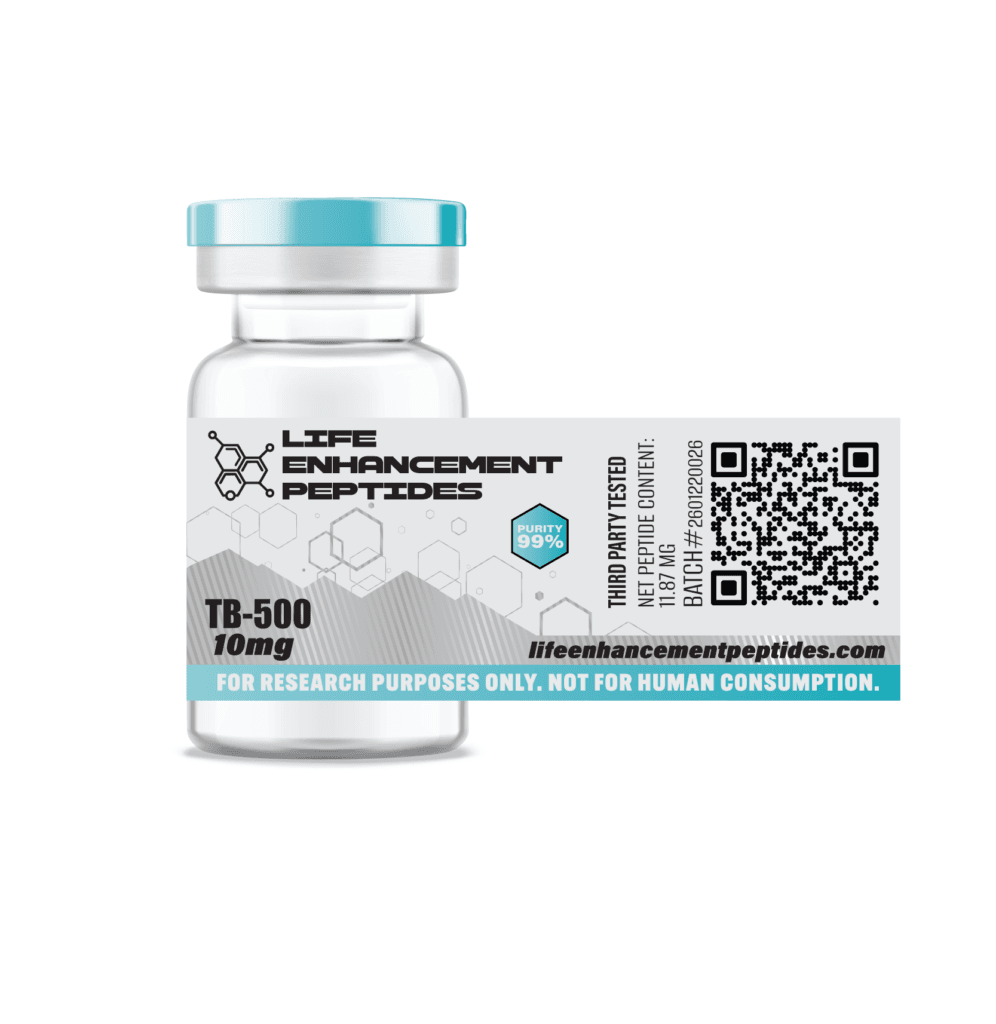
TB-500
10mg
A synthetic fragment of Thymosin Beta-4 corresponding to the actin-binding domain, extensively studied for its role in cardiac angiogenesis, soft tissue healing, and corneal regeneration.